Projects
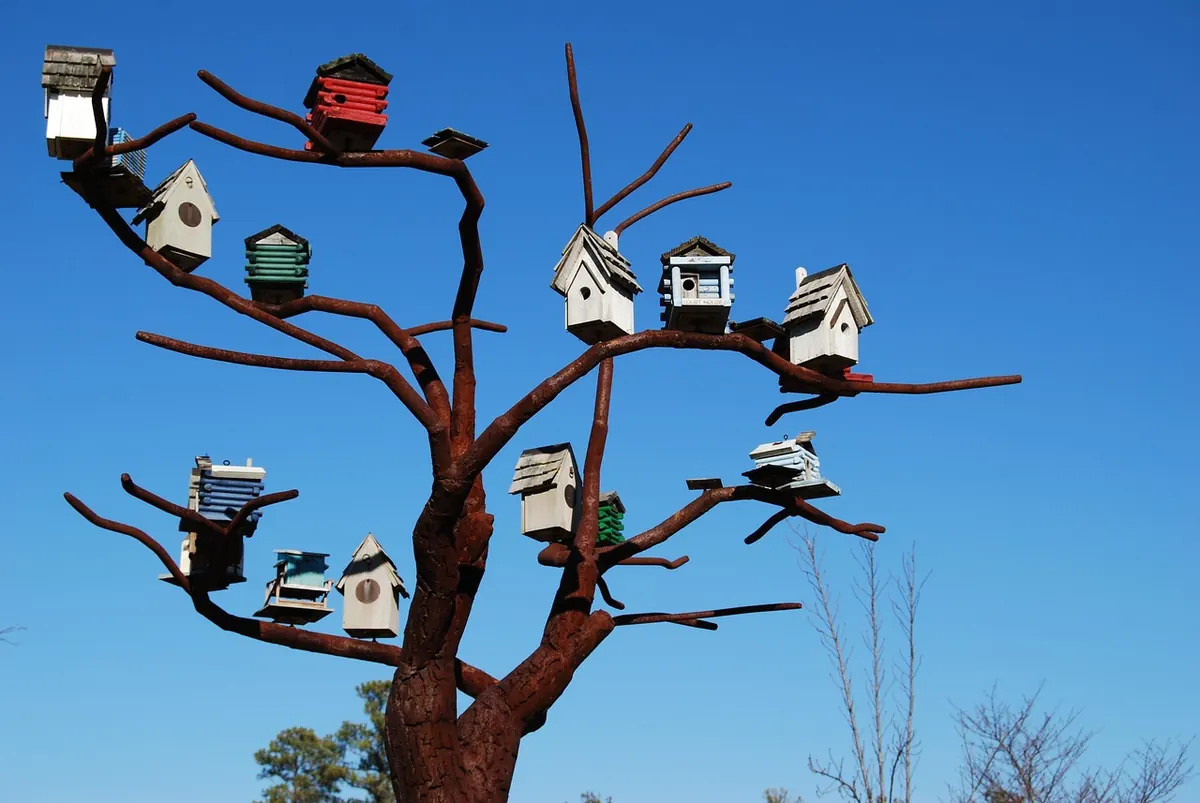
How to Build a Bird Box for British Garden Birds
A bird box is one of the few woodworking projects that gives something back within a season. Blue tits and house sparrows don't care about perfect joinery or expensive hardwood, but they are particular about a few practical details: the size of the entrance hole, the depth of the box from hole to floor, and where you finally decide to hang it. Get those three things roughly right and a plain pine box screwed together on a kitchen table will outperform anything decorative from a garden centre.
Britain's garden birds are cavity nesters, and natural cavities — old woodpecker holes, rotten limbs, gaps behind loose bark — are in short supply. Modern houses are sealed, old trees get felled for safety, and neat suburban gardens rarely leave dead wood standing. A well-made box doesn't replace a woodland, but it does put one small piece of habitat back. Here is how to build one properly, and how to give it the best chance of being used this spring.
First, Decide Which Bird You Are Building For
The entrance hole is the single most important measurement, because it acts as a filter. Too large and the bigger, more aggressive birds take over; too small and nobody fits through. The floor area and the internal depth matter too, since a shallow box lets predators hook out eggs and chicks.
- Blue tit — 25mm hole, floor about 100 x 100mm, roughly 15cm from hole to floor.
- Tree sparrow — 28mm hole, floor about 120 x 120mm.
- Great tit, house sparrow, nuthatch — 32mm hole, floor 120 x 120mm, 15cm from hole to floor.
- Starling — 45mm hole, floor 150 x 150mm, around 20cm from hole to floor.
- Robin, wren, pied wagtail — no hole at all, but an open-fronted box with a low front panel and a large floor area.
If you only build one box, make it a 32mm version with a slightly generous floor. It suits great tits, house sparrows and nuthatches, and it is the most versatile size for a general garden.
Choosing the Timber
Use untreated softwood between 15mm and 20mm thick. Pine, spruce or larch are all fine; thicker boards insulate better, which matters in a cold, wet British spring. Avoid plywood, chipboard and MDF, which swell and delaminate once damp. Hardwoods such as oak last longer but are heavy, hard to work and no more attractive to the birds.
Do not treat the inside of the box with anything. Timber preservatives, paint and varnish give off fumes in a small enclosed space and can be harmful to nestlings. If you want to protect the exterior, use a water-based, non-toxic preservative on the outside faces only, or simply leave it bare and accept that the box may need replacing in eight or ten years.
The cutting list
- Back panel: 200 x 150mm
- Two side panels: 220 x 150mm, with the top edge cut at a slight angle if you want a sloping roof
- Front panel: 200 x 150mm, with the entrance hole drilled before assembly
- Floor: 120 x 120mm (or larger, to suit your chosen species)
- Roof: 220 x 180mm, overhanging the front by about 25mm
Building the Box in Seven Steps
- Drill the entrance hole. Use a hole saw and work from the outside in, so any splintering happens on the inner face. The hole should sit roughly 15cm above the finished floor level — higher for starlings.
- Reinforce the hole. Fix a metal plate around the entrance, drilling the matching hole in the plate first. Squirrels and woodpeckers will otherwise enlarge a wooden hole until it is useless.
- Score the inside of the front panel. Cut a few shallow horizontal grooves below the hole with a saw. Young birds need something to grip when they are clambering up to fledge.
- Assemble the sides and floor. Screw or nail the two sides to the back panel, then fit the floor between them. Use galvanised or stainless fixings so they don't rust and stain the wood. Make sure no nail points protrude inside.
- Fit the front panel. Leave the front or one side removable, held by two brass screws or a small brass hook and eye, so you can clean the box out later.
- Add drainage and ventilation. Drill three or four 3mm holes in the floor, and leave a narrow gap between the top of the side panels and the roof, or drill a couple of small holes just under the roof line.
- Attach the roof. Overhang it at the front to throw rain clear of the entrance. A sloping roof sheds water better than a flat one; a strip of roofing felt or rubber will extend its life considerably.
One rule worth repeating: do not add a perch below the hole. Perches help birds — but they help cats, squirrels and magpies far more.
Siting the Box
Position matters almost as much as the build. An unused box is usually in the wrong place rather than badly made.
- Hang it 2 to 4 metres up, clear of easy jumps from fences, sheds or overhanging branches.
- Face it between north and east. This avoids the hottest afternoon sun and the prevailing south-westerly rain.
- Tilt it very slightly forward so rain runs off the roof rather than into the hole.
- Keep it away from feeders and bird tables, which attract crowds and predators. A few metres of separation is plenty.
- Space tit boxes at least 2 to 3 metres apart; blue tits are territorial. House sparrows are the opposite and will happily nest in a cluster, so groups of boxes under eaves work well for them.
- Put the box up in autumn or early winter. Tits prospect for nest sites from late winter, and many birds roost in boxes on cold nights.
Cleaning, Monitoring and the Law
Once the breeding season is over — from around September onwards — take the box down, remove the old nest material, and scrub the inside with boiling water. Do not use disinfectants or insecticides. Let it dry thoroughly, check the fixings, and hang it back up.
Resist the temptation to open the box between February and August. If you want to watch what happens inside, fit a nest box camera and leave the box closed.
All wild birds, their nests and their eggs are protected by law in Britain. It is an offence to intentionally disturb a nest that is in use, so always check carefully before lifting a lid — and if in doubt, wait.
Build it simply, hang it thoughtfully, and then leave it alone. A box that is ignored by humans all spring is usually a box that is being used by birds — and by June you may be watching a line of blue tit chicks fledge from a plank of pine you cut in January.
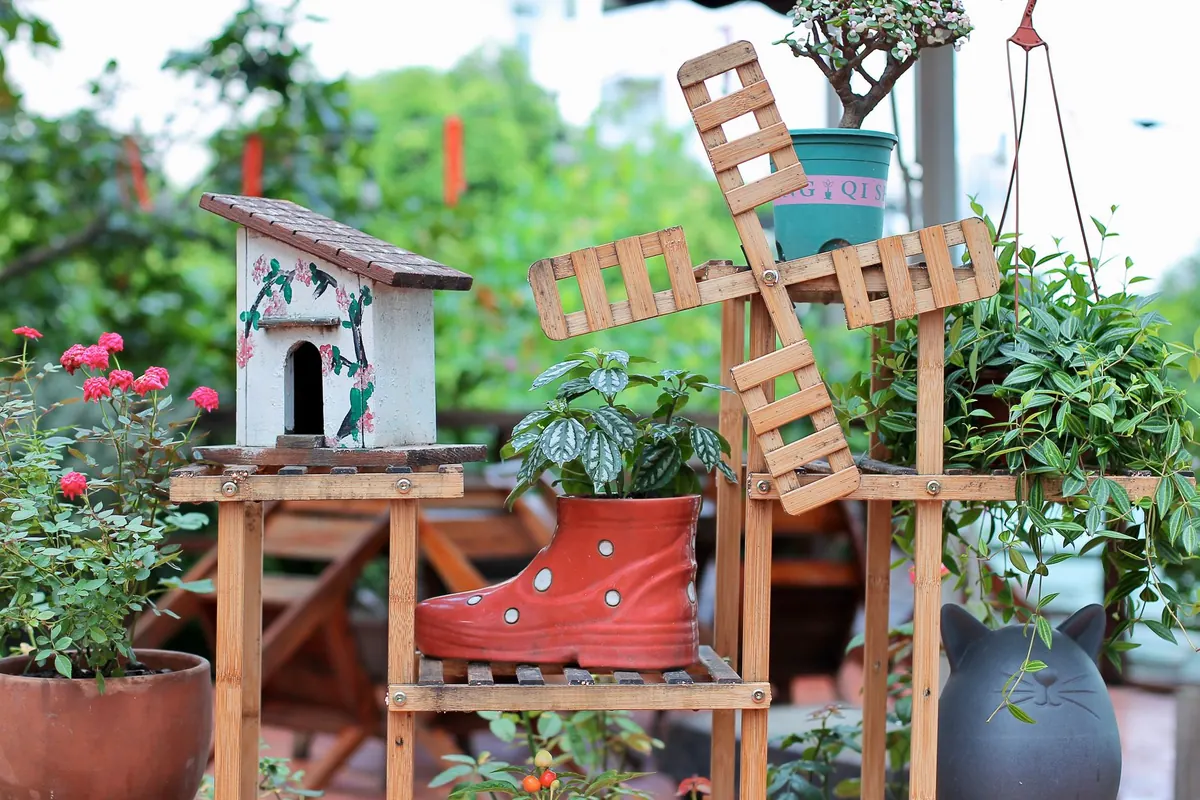
Photo: KCDM / Pixabay